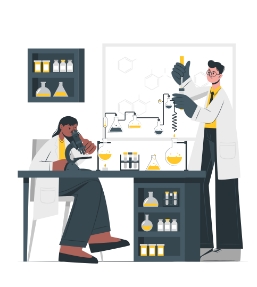
Forensic Scientist
All About How To Become A Forensic Scientist
Introduction
Forensic Sciences is a very critical part of the criminal justice system. It helps in examining and analyzing evidence collected from crime scenes and other related areas.
The findings collected, aid in investigations of the crime and the prosecution of perpetrators of the crime. Or in some cases absolve an innocent person from suspicion.
In case you are looking for a job in this career please note the process to apply for job
Get assistance through AI Matching for your Job Application Process on our partner platform - Jobs Matcher AI!
Please follow these easy steps:
Step 1: Register and Complete Your Profile on https://jobsmatcherai.com/signup
Step 2: Upload Your CV and Utilise AI / import profile data from your CV (PDF) or pasted text.
Step 3: Explore AI-Matched Opportunities - see AI job suggestions directly on your profile page based on these employer matches.
Step 4: Generate Your ATS-Friendly CV Preview
Step 5: Complete a Comprehensive SWOT Analysis
We look forward to your participation and happy placement!
For any other information / guidance on jobs or to meet a counsellor contact careers@eduberance.com
Explore Realise and Achieve Your True Potential
Let's dive back to the career details
What does a Forensic Scientist do?
Forensic scientists collect and analyze evidence from crime scenes, including DNA, fingerprints, and ballistics. They prepare reports, testify in court, and collaborate with law enforcement to solve crimes. The work requires meticulous attention to detail, strong analytical skills, and a commitment to upholding justice.
To become a Forensic Scientist, a bachelor's degree in a science-related field, such as biology, chemistry, or forensic science, is typically required. Specialized training in forensic techniques and procedures is also essential. Many forensic scientists pursue certifications to enhance their credentials and expertise.
Entry-level positions often involve laboratory work and evidence analysis. With experience, forensic scientists can advance to supervisory roles, become specialists in a particular area of forensic science (e.g., DNA analysis, toxicology), or work as consultants or expert witnesses.
Compared to other science careers, Forensic Science uniquely blends scientific principles with legal investigations. Unlike research scientists, forensic scientists directly apply their knowledge to solve crimes and contribute to the justice system. It requires a different mindset and skillset than pure research, with more emphasis on courtroom testimony and legal procedures.
What kind of education and knowledge is needed?
A strong foundation in science is essential, including biology, chemistry, mathematics, and statistics. Knowledge of forensic science principles, crime scene investigation techniques, and legal procedures is also vital. Understanding of ethical considerations and quality assurance protocols is equally important.
Key subjects include biology (particularly genetics and molecular biology), chemistry (especially organic and analytical chemistry), physics, mathematics, and criminal justice. Coursework in forensic science, toxicology, and ballistics can also be highly beneficial.
Several diploma and certification courses can enhance your qualifications, such as certifications in specific forensic disciplines (e.g., DNA analysis, toxicology) offered by organizations like the American Board of Criminalistics (ABC). These certifications demonstrate competency and expertise in specific areas.
During your bachelor's degree, focus on developing strong laboratory skills, research experience, and analytical abilities. Participate in internships or research projects related to forensic science to gain practical experience. Networking with professionals in the field can also provide valuable insights and opportunities.
While not always required, a master's degree in forensic science or a related field can provide advanced knowledge and specialized skills, enhancing career prospects. Master's programs often offer opportunities for research and specialization in specific areas of forensic science.
A PhD in forensic science or a related field is typically pursued by individuals interested in research, academia, or advanced leadership roles. A PhD can open doors to research positions, faculty positions at universities, and leadership roles in forensic science laboratories.
Are there specific entrance exams required?
While there aren't specific national entrance exams for forensic science jobs in all countries, some institutions or specific positions may require standardized tests or specialized assessments to evaluate knowledge and skills relevant to the role. For postgraduate studies, GRE (Graduate Record Examinations) scores might be needed.
Where can you study Forensic Science?
Several universities worldwide offer excellent forensic science programs, including the University of Lausanne (Switzerland), King's College London (UK), and the University of California, Davis (USA). These institutions provide comprehensive education and research opportunities in various forensic disciplines.
In India, leading institutes for forensic science include the National Forensic Sciences University (NFSU), Gujarat Forensic Sciences University, and various universities offering forensic science programs, such as Osmania University and Amity University. These institutions provide specialized training and research opportunities in forensic science.
What skills are essential for success?
Essential skills for Forensic Scientists include strong analytical skills, attention to detail, critical thinking, problem-solving abilities, and excellent communication skills. The ability to work independently and as part of a team is also crucial. Furthermore, proficiency in using scientific instruments and software is important.
What personal qualities contribute to success?
Key dispositions include integrity, objectivity, ethical behavior, and a strong sense of responsibility. A commitment to justice, attention to detail, and the ability to remain calm under pressure are also important. Furthermore, perseverance, curiosity, and a dedication to continuous learning are valuable assets.
What personality traits are common among Forensic Scientists?
Forensic Scientists often exhibit traits such as analytical thinking, conscientiousness, meticulousness, and a strong sense of order. They tend to be detail-oriented, logical, and methodical in their approach. Additionally, they often possess a high level of intellectual curiosity and a desire to solve complex problems.
What job opportunities are available?
Common job roles include forensic scientist, crime scene investigator, DNA analyst, toxicologist, ballistics expert, and forensic laboratory technician. Forensic scientists work in various settings, including government laboratories, law enforcement agencies, hospitals, and private forensic laboratories.
Internships provide valuable hands-on experience and networking opportunities. Look for internships at forensic laboratories, law enforcement agencies, or research institutions. Internships can help you develop practical skills, gain exposure to the field, and make valuable connections.
Part-time opportunities may be limited but could include roles as laboratory assistants, research assistants, or data analysts in forensic science-related fields. These positions can provide relevant experience and supplement your income while pursuing your education.
Freelance opportunities are less common but may exist for experienced forensic scientists as consultants or expert witnesses. Building a strong reputation and network is crucial for securing freelance work.
Forensic Scientists are primarily employed in law enforcement, government agencies, and private forensic laboratories. Other industries include hospitals, medical examiners' offices, and research institutions.
Specific job titles include Forensic Scientist, Crime Scene Investigator, DNA Analyst, Forensic Toxicologist, Ballistics Expert, Forensic Chemist, Trace Evidence Analyst, and Digital Forensic Examiner.
Job openings can be found on job boards, company websites, professional organizations, and government job portals. Networking with professionals in the field and attending career fairs can also lead to job opportunities.
The job outlook for Forensic Scientists is projected to grow at a rate similar to the average for all occupations. The increasing demand for forensic services and advancements in forensic technology are expected to drive job growth.
What can you expect to earn?
The salary for Forensic Scientists varies depending on experience, education, location, and employer. Entry-level positions typically offer lower salaries, while experienced professionals with advanced degrees can earn higher salaries. The median salary for forensic science technicians is around $60,000 - $70,000 annually, but this can vary significantly.
Can you start your own Forensic Science business?
Entrepreneurial opportunities may exist for experienced forensic scientists to start their own consulting firms or private forensic laboratories. This requires significant investment, expertise, and business acumen. Focusing on niche areas or providing specialized services can be a viable approach.
Entrepreneurship offers the potential for higher income and greater autonomy but also involves greater risk and responsibility. A traditional job provides stability and benefits but may offer less flexibility and income potential. The best option depends on your personal preferences, risk tolerance, and financial situation.
How important is experience?
Experience is essential for Forensic Scientists as it allows them to develop practical skills, gain exposure to various types of cases, and build a strong professional network. Experience demonstrates competence and enhances career prospects.
College activities such as internships, research projects, and volunteer work can provide valuable experience and enhance your resume. Participating in forensic science clubs or organizations can also provide networking opportunities and exposure to the field.
Training typically involves on-the-job training, continuing education courses, and participation in professional development workshops. Specialized training in specific forensic disciplines is often required to enhance expertise and maintain certifications.
What are the realities of the job?
Pros include the satisfaction of contributing to justice, intellectual stimulation, and opportunities for continuous learning. Cons include exposure to disturbing crime scenes, potential for emotional stress, and demanding workload.
If you are passionate about science, skilled in analysis, valued for your attention to detail, and able to contribute to justice, Forensic Science can be a fulfilling career that aligns with your IKIGAI (a Japanese concept meaning 'a reason for being').
Maintaining a healthy work-life balance can be challenging due to the demanding nature of the job and potential for irregular hours. However, prioritizing self-care, setting boundaries, and seeking support can help improve work-life balance.
Protecting your mental health is crucial due to exposure to potentially traumatic crime scenes and emotionally challenging cases. Seeking counseling or therapy, practicing mindfulness, and maintaining a support system can help maintain mental well-being.
Emotional intelligence is important for effectively communicating with colleagues, interacting with victims' families, and managing stress. The ability to empathize, maintain composure, and build rapport is crucial.
A high IQ contributes to success by enabling forensic scientists to quickly analyze complex data, solve intricate problems, and develop innovative solutions. The ability to think critically, reason logically, and learn continuously is crucial.
The working environment can vary depending on the specific role and employer. Forensic scientists may work in laboratories, crime scenes, offices, or courtrooms. The environment can be stressful and demanding, requiring attention to detail and adherence to strict protocols.
What tools and resources are available?
Various tools and resources are available, including forensic databases, scientific instruments, software, and professional literature. Online resources, journals, and conferences can help you stay up-to-date on the latest advancements in the field.
Licensing and certification requirements vary depending on the specific role and location. Certifications in specific forensic disciplines (e.g., DNA analysis, toxicology) are offered by organizations like the American Board of Criminalistics (ABC).
Relevant professional associations include the American Academy of Forensic Sciences (AAFS), the International Association for Identification (IAI), and the National Association of Medical Examiners (NAME). These associations offer networking opportunities, resources, and professional development programs.
Frequently Asked Questions
Common questions include: What education is required? What skills are essential? What is the job outlook? What is the average salary? What are the ethical considerations? What is the impact of technology on the field?
Tips for Success
Focus on developing strong analytical skills, gaining practical experience through internships, networking with professionals in the field, and pursuing relevant certifications. Stay up-to-date on the latest advancements in forensic technology and continuously seek opportunities for professional development.
Key Takeaways
Forensic Science is a rewarding career for individuals with a strong passion for science, a keen eye for detail, and a commitment to justice. A solid education, practical experience, and strong analytical skills are essential for success. Continuous learning and professional development are crucial for staying up-to-date in this rapidly evolving field.