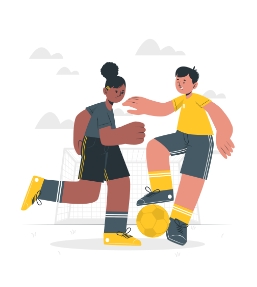
Sports Psychologist
All About How To Become A Sports Psychologist
Introduction
Sports psychology helps to understand the mental and emotional well-being of players with respect to their mental health, performance, relationship with other players, opponents etc.
A sports psychologist interacts with sports persons both amateur and professionals and helps them in enhancing their performance and dealing with stress etc. They also interact with coaches and referees in meeting the demands of their job such as in training and preparing the sportspersons for competition etc.
A sports psychologist acts as a support system and provides the patients with coping skills.
In case you are looking for a job in this career please note the process to apply for job
Get assistance through AI Matching for your Job Application Process on our partner platform - Jobs Matcher AI!
Please follow these easy steps:
Step 1: Register and Complete Your Profile on https://jobsmatcherai.com/signup
Step 2: Upload Your CV and Utilise AI / import profile data from your CV (PDF) or pasted text.
Step 3: Explore AI-Matched Opportunities - see AI job suggestions directly on your profile page based on these employer matches.
Step 4: Generate Your ATS-Friendly CV Preview
Step 5: Complete a Comprehensive SWOT Analysis
We look forward to your participation and happy placement!
For any other information / guidance on jobs or to meet a counsellor contact careers@eduberance.com
Explore Realise and Achieve Your True Potential
Let's dive back to the career details
What is Sports Psychology All About?

Sports psychologists work with athletes, coaches, and teams to improve performance, manage stress, and enhance overall well-being. They use psychological principles and techniques to address issues such as anxiety, motivation, focus, and teamwork. They can provide counseling, conduct workshops, and develop customized mental training programs.

Becoming a sports psychologist typically involves earning a bachelor's degree in psychology or a related field, followed by a master's or doctoral degree in sports psychology or counseling psychology with a specialization in sports. Supervised experience and licensure are also required in most locations.

Sports psychologists can find employment in a variety of settings, including professional sports teams, universities, private practices, sports medicine clinics, and military organizations. They may work with individual athletes, teams, or entire organizations.

While clinical psychologists focus on treating mental health disorders, sports psychologists specifically address the psychological factors that influence athletic performance. Unlike general counselors, they tailor their expertise to the unique demands and challenges of the sports world.
What Educational Foundation Do I Need?

You'll gain in-depth knowledge of psychological principles, including cognitive-behavioral therapy, motivation theories, stress management techniques, and group dynamics. You'll also learn about the physiological aspects of sports performance and the impact of injuries on mental health.

Focus on subjects such as psychology, statistics, research methods, exercise physiology, sports medicine, and counseling techniques. A strong foundation in these areas is crucial for success in this field.

Consider pursuing diplomas or certifications in areas like sports psychology, performance enhancement, or mental skills training. These credentials can enhance your credibility and demonstrate your commitment to the field. Look for certifications offered by reputable organizations like the Association for Applied Sport Psychology (AASP).

After graduating with a bachelor's degree, you'll typically need to pursue a master's or doctoral degree in sports psychology or a related field. Gaining practical experience through internships and supervised work is essential for building your skills and professional network.

A master's degree provides advanced training in sports psychology principles and techniques. It also offers opportunities for research and practical application of your knowledge. Many positions in the field require a master's degree at a minimum.

A Ph.D. is often required for research-intensive positions, teaching roles at universities, and independent practice as a licensed psychologist. It allows you to conduct original research and contribute to the advancement of the field.
Are There Any Standardized Tests I Need to Take?

For master's and doctoral programs, you may need to take the GRE (Graduate Record Examinations). Check the specific requirements of the programs you're interested in, as some may have additional entrance exams or prerequisites.
Where Can I Study Sports Psychology?

Consider universities like Loughborough University (UK), University of North Carolina at Chapel Hill (USA), and University of Queensland (Australia) for their renowned sports psychology programs and research opportunities.

In India, look into institutions like the National Sports University (NSU), Lakshmibai National Institute of Physical Education (LNIPE), and some IITs that offer programs or research opportunities related to sports psychology. Check for psychology departments with faculty specializing in sports.
What Skills Will Help Me Succeed?

Essential skills include excellent communication, active listening, empathy, problem-solving, critical thinking, and the ability to build rapport with athletes and coaches. Strong interpersonal skills are crucial for effective counseling and team collaboration.
What Personal Qualities are Important?

Successful sports psychologists are patient, understanding, ethical, and highly motivated. They possess a strong interest in sports and a genuine desire to help athletes achieve their goals. They should also be adaptable and able to work under pressure.
What Personality Traits Align with This Career?

Individuals with personalities that are empathetic, supportive, and good at problem-solving tend to excel in sports psychology. Myers-Briggs types like INFJ, ENFJ, and ISFJ often find this career fulfilling.
What Job Opportunities Are Available?

Common job titles include Sports Psychologist, Performance Enhancement Consultant, Mental Skills Coach, and Sports Counselor. You may also find roles in academic research or teaching.

Look for internships with sports teams, universities, sports medicine clinics, and private practices specializing in sports psychology. Networking with professionals in the field can also lead to internship opportunities.

Part-time opportunities may include consulting with local sports teams, offering workshops on mental skills training, or providing individual counseling to athletes. Building a client base gradually through part-time work is a good way to gain experience.

Yes, many sports psychologists work as freelancers, providing services to individual athletes, teams, or organizations on a contract basis. Building a strong reputation and marketing your services effectively are crucial for success as a freelancer.

Industries that hire sports psychologists include professional sports organizations, collegiate athletics, sports medicine clinics, military organizations, and private consulting firms.

Search for job listings on websites like Indeed, LinkedIn, and specialized job boards for sports professionals. Networking at conferences and workshops can also lead to job opportunities.

Develop a strong resume and cover letter highlighting your skills and experience. Network with professionals in the field, attend conferences and workshops, and consider joining professional organizations like AASP.

The demand for sports psychologists is expected to grow as athletes and organizations increasingly recognize the importance of mental health and performance enhancement. The growth rate may vary depending on the specific location and sector.
How Much Can I Expect to Earn?

The salary for sports psychologists varies depending on experience, education, and location. Entry-level positions may start around $50,000 per year, while experienced professionals can earn upwards of $100,000 or more.
Can I Start My Own Sports Psychology Practice?

Starting your own sports psychology practice requires business acumen, marketing skills, and a strong network of contacts. You'll need to develop a business plan, secure funding, and build a client base.

Entrepreneurship offers greater autonomy and potential for higher income, but it also involves more risk and responsibility. A job provides stability and benefits, but may offer less flexibility and earning potential.
How Important is Practical Experience?

Practical experience is essential for developing your skills and building your professional network. It allows you to apply your knowledge in real-world settings and learn from experienced professionals.

Seek out research opportunities, volunteer with sports teams, and participate in internships or practicums related to sports psychology. Building relationships with professors and professionals in the field can also lead to valuable experiences.

Training should include supervised experience in counseling, performance enhancement, and mental skills training. You should also seek out continuing education opportunities to stay up-to-date on the latest research and techniques.
Is This Career Right for Me?

Pros include making a positive impact on athletes' lives, working in a dynamic and exciting environment, and continuous learning and professional development. Cons include dealing with high-pressure situations, potential for burnout, and the need for strong ethical boundaries.

Consider how your passion, skills, the world's needs, and what you can be paid for align with the demands of being a sports psychologist. If you find a strong overlap in these areas, this career may be a good fit for your IKIGAI.

Setting boundaries, prioritizing self-care, and seeking support from colleagues and mentors are crucial for maintaining a healthy work-life balance. It's important to avoid burnout and prioritize your own well-being.

Prioritize self-care activities such as exercise, mindfulness, and spending time with loved ones. Seek support from colleagues or mentors if you're experiencing stress or burnout.

Emotional intelligence is crucial for building rapport with athletes, understanding their needs, and providing effective support. Developing your EQ can enhance your ability to connect with others and navigate challenging situations.

A strong IQ is important for critical thinking, problem-solving, and understanding complex psychological concepts. However, EQ is often more important for building relationships and providing effective counseling.

The working environment can vary depending on the specific setting. You may work in an office, on the field, or in a training facility. Travel may be required for certain positions.
What Resources Can Help Me Succeed?

Essential tools and resources include psychological assessment tools, mental skills training programs, research databases, and professional journals. Staying up-to-date on the latest research and techniques is crucial for providing effective services.

Licensure requirements vary depending on the specific location and type of practice. Certification through organizations like AASP can enhance your credibility and demonstrate your expertise.

Joining professional associations like AASP, APA (American Psychological Association), and ISSP (International Society of Sports Psychology) can provide access to resources, networking opportunities, and professional development.
Frequently Asked Questions

Common questions include: What is the difference between a sports psychologist and a clinical psychologist? What skills are most important for success in this field? What is the job outlook for sports psychologists? How can I gain experience in sports psychology?
What Advice Can Help Me?

Network with professionals in the field, seek out mentorship opportunities, gain practical experience through internships, and stay up-to-date on the latest research and techniques. Develop strong communication and interpersonal skills, and prioritize self-care to avoid burnout.
Key Takeaways

A career as a Sports Psychologist offers a rewarding opportunity to help athletes achieve their full potential. It requires a strong educational foundation, practical experience, and excellent interpersonal skills. By pursuing the right education, gaining relevant experience, and developing essential skills, you can build a successful and fulfilling career in sports psychology.